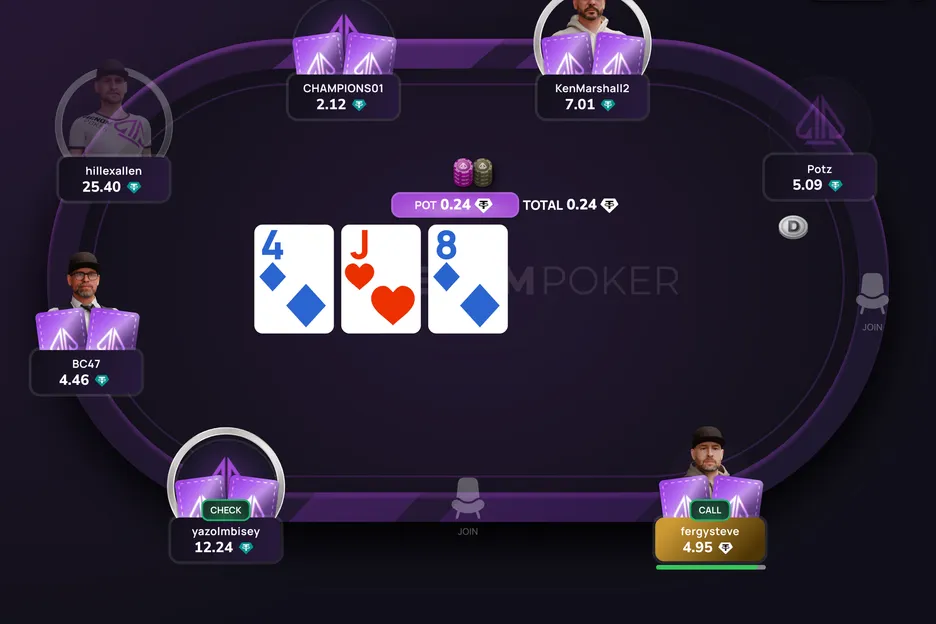
Phenom Poker, a crypto native poker platform, confirmed it had been hacked in early April 2026, with the site taken offline while the team investigated. The incident is a useful case study specifically because it shows what a real crypto exchange style theft looks like on a poker platform, and how that differs from the hole card and injection vulnerabilities covered elsewhere on this site.
What was actually taken
According to Phenom’s own account of the incident, an attacker compromised a team member’s personal machine and used that access to obtain a private key, which was then used to transfer approximately $94,267 in USDC out of the platform’s token liquidity pool, the reserve of funds used to facilitate trading of Phenom’s native token. This is not a hole card leak or a game integrity issue. It is closer to a conventional crypto asset theft that happened to target an operator whose product is poker.
Phenom’s CEO, Matt Valeo, stated after the investigation that “all systems are safe and ready for use again.”
Why player balances were never actually exposed
The critical detail in this incident is architectural. Phenom’s player funds are held in individual user wallets that the company itself does not control, rather than pooled in a central custodial account. Because of that separation, compromising a company controlled private key gave the attacker access to the liquidity pool, but gave them no path to actual player balances. This is the same principle that shows up repeatedly across this site in a different form: a system designed so that a single compromised credential cannot reach data or funds it was never supposed to touch in the first place limits the blast radius of a breach almost automatically, regardless of the specific asset being protected.
What Phenom actually changed afterward
The response went beyond simply restoring the stolen liquidity. Phenom announced it would transition to an in-game currency called CHIP specifically to remove stablecoin holdings from its smart contracts going forward, reducing the amount of directly convertible value sitting in any single compromised component. The site brought cash games back online first, on April 4, while tournaments remained paused briefly longer, and any tournaments that were running at the time of the incident were paid out using standard ICM calculations rather than being voided.
The broader lesson for crypto facing poker sites
Traditional poker platforms worry about hole card leaks and RNG integrity. Crypto native platforms inherit an entirely separate category of risk on top of those: private key management, smart contract design, and the security of the individual devices belonging to the team that operates the platform, since a single compromised laptop turned out to be sufficient here regardless of how well the poker software itself was built. For players evaluating a crypto poker site, the Phenom incident is a reasonable illustration of the specific question worth asking: not just whether the shuffle is fair, but whether your funds are architecturally separated from the operator’s own infrastructure in a way that survives a breach on their end.